

Lipotropic Injections: Unraveling the Science, Benefits, and Alternatives for Weight Loss
Lipotropic Injections: Unraveling the Science, Benefits, and Alternatives for Weight Loss
In a world where wellness trends come and go, lipotropic injections have sparked curiosity among those seeking effective weight loss solutions. Promoted as a blend of vitamins, nutrients, and amino acids, these injections claim to boost Metabolism, enhance fat burning, and support a healthier lifestyle. But are they the game-changer they’re made out to be? This comprehensive guide delves into the science, benefits, risks, and practical considerations of lipotropic injections, providing a fresh perspective with exclusive insights from recent studies and expert opinions. Whether you’re exploring this option or simply curious, let’s uncover the truth behind lipotropic injections and discover sustainable paths to your weight loss goals.
What Are Lipotropic Injections?
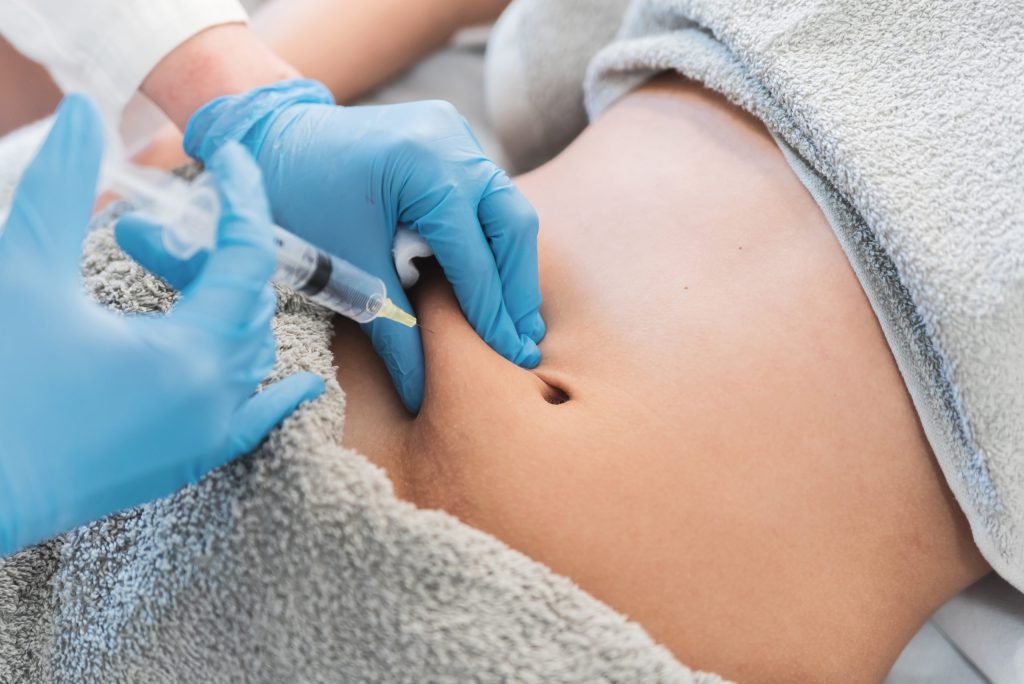
Lipotropic injections are specialized supplements administered through intramuscular or subcutaneous shots designed to complement weight loss efforts. Unlike typical weight loss medications, they focus on delivering a cocktail of nutrients believed to enhance metabolic processes and support fat breakdown. The term “lipotropic” refers to substances that promote the removal or utilization of fat in the body, particularly in the liver, where fat deposits can hinder metabolic efficiency.
These injections are often marketed as a holistic addition to a weight loss regimen, working best when paired with a balanced diet and regular exercise. They’re commonly offered at medical spas, wellness clinics, and weight loss centers, appealing to those who want a targeted approach to shedding pounds. However, their popularity outpaces the scientific evidence, leaving many to wonder: do they truly deliver?
The Emotional Appeal of Lipotropic Injections
For many, the journey to weight loss is fraught with frustration and hope. Lipotropic injections offer a glimmer of promise—a tangible step toward transformation. Imagine the excitement of stepping on the scale after weeks of dedication, hoping for results that reflect your efforts. This emotional connection drives interest in lipotropic injections, as they symbolize a proactive choice in a sea of overwhelming options. But let’s move beyond the hype and explore what’s inside these shots.
Key Ingredients in Lipotropic Injections
The power of lipotropic injections lies in their ingredients, a blend of vitamins, amino acids, and nutrients tailored to support metabolic health. While formulations vary by clinic, the following components are staples in most lipotropic injections, each with a purported role in weight management:
- Vitamin B12 (Cyanocobalamin): A cornerstone of lipotropic injections, B12 is essential for energy production, red blood cell formation, and neurological function. Low B12 levels are associated with fatigue and weight gain, making supplementation a viable option for boosting energy and Metabolism.
- Choline: This nutrient supports liver health by aiding in fat Metabolism and preventing fatty liver disease. Studies suggest choline may reduce fat accumulation, particularly in rodents, though human evidence is limited.
- Inositol: Often paired with choline, inositol is a B-vitamin-like compound that may enhance insulin sensitivity and fat breakdown. It’s thought to support mood and energy, indirectly aiding weight loss efforts.
- Methionine: An essential amino acid, methionine assists in detoxifying the liver and breaking down fats. It’s believed to prevent fat buildup, though its direct impact on weight loss is understudied.
- L-Carnitine: This amino acid transports fatty acids into cells for energy production, potentially enhancing fat burning during exercise. Research indicates that modest weight loss benefits can be achieved when combined with physical activity.
- Betaine: Known for its role in liver protection, betaine may support fat Metabolism and reduce inflammation, contributing to overall metabolic health.
- Magnesium: A mineral vital for over 300 enzymatic reactions, magnesium supports energy production and muscle function, which can enhance exercise performance.
- Niacin (Vitamin B3): Niacin aids in energy metabolism and may improve cholesterol levels, indirectly supporting weight loss.
- Pantothenate (Vitamin B5): This vitamin is crucial for metabolizing carbohydrates, proteins, and fats, providing energy for daily activities.
- Folate (Vitamin B9): Folate supports cell division and energy production, addressing deficiencies that may hinder metabolic efficiency.
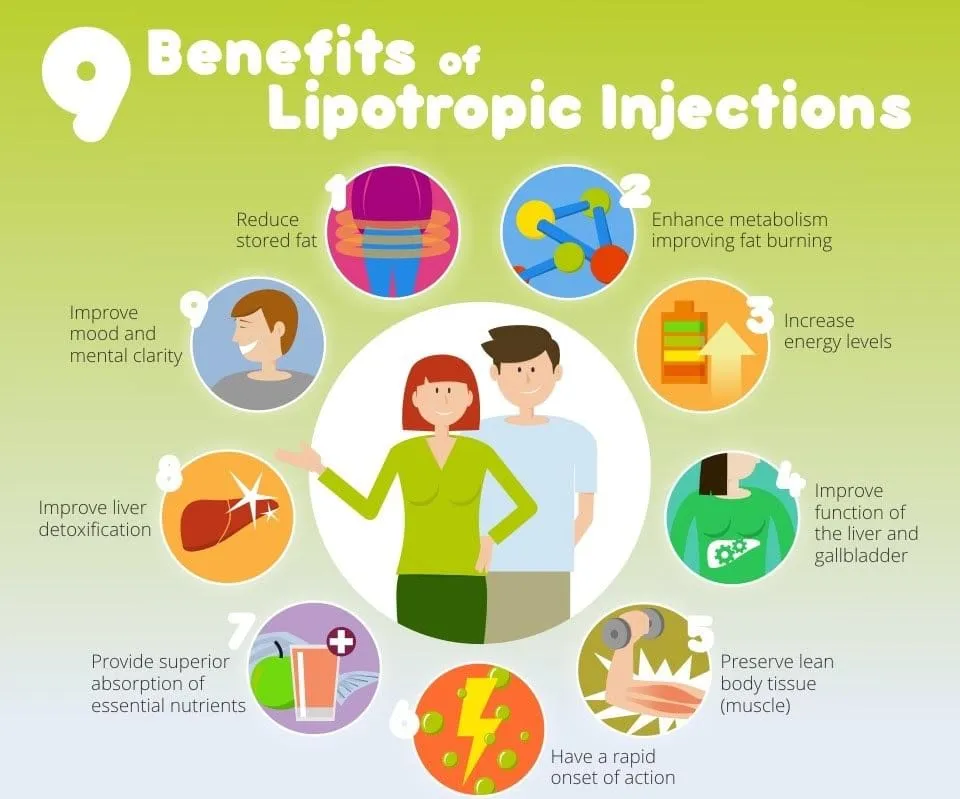
While these ingredients sound promising, their effectiveness in lipotropic injections for weight loss is not universally supported by robust clinical trials. The synergy of these compounds is often cited as their strength, but the lack of standardized formulations complicates research and outcomes.
Do Lipotropic Injections Really Work?
The million-dollar question: do lipotropic injections live up to their weight loss claims? The answer is nuanced, rooted in the interplay of science, lifestyle, and individual biology.
The Science Behind Lipotropic Injections
Research on lipotropic injections is sparse, with most studies focusing on individual ingredients rather than the combined effects of the injections. For example:
- A 2023 study published in Nutrients found that vitamin B12 deficiency is associated with higher body fat mass and metabolic dysfunction. Correcting this deficiency through supplementation may improve energy levels and support weight loss indirectly by enhancing exercise capacity.
- A 2019 meta-analysis in The Journal of Nutrition suggested that L-carnitine supplementation, when combined with exercise, leads to modest weight loss (approximately 1-2 pounds over 12 weeks). However, the effect is minimal without lifestyle changes.
- Choline and inositol have demonstrated lipotropic effects in animal studies, reducing liver fat accumulation; however, human trials are limited and inconclusive.
The consensus? Lipotropic injections may offer benefits for individuals with specific nutrient deficiencies, but their direct impact on weight loss is likely overstated. Any weight loss observed is often attributable to accompanying lifestyle changes, such as reduced calorie intake and increased physical activity.
The Placebo Effect and Motivation
The act of receiving lipotropic injections can be a powerful motivator. The ritual of visiting a clinic, investing in your health, and feeling proactive can boost adherence to diet and exercise plans. This psychological boost, combined with the energy-enhancing effects of B12 or magnesium, may create a sense of progress, even if the injections themselves aren’t the primary driver of weight loss.
Real Stories, Real Results
Consider Sarah, a 35-year-old mother of two who struggled with low energy and weight gain after pregnancy. After starting lipotropic injections at a local wellness clinic, she noticed a surge in energy within weeks, which motivated her to join a fitness class and overhaul her diet. Over three months, Sarah lost 15 pounds—not because the injections melted fat, but because they catalyzed a lifestyle shift. Stories like Sarah’s highlight the potential of lipotropic injections as a supportive tool, not a magic bullet.
How Are Lipotropic Injections Administered?
Lipotropic injections are typically administered by healthcare professionals or trained staff at medical spas, weight loss clinics, or wellness centers. Here’s what to expect:
- Injection Sites: Shots are delivered into areas with subcutaneous fat, such as the upper arm, thigh, abdomen, or buttocks. These sites allow for slow absorption, thereby maximizing the effects of the nutrients.
- Frequency: Protocols vary, but most clinics recommend weekly or biweekly injections for 4-12 weeks, depending on your goals and response. For B12 deficiency, more frequent shots (e.g., every other day for two weeks) may be prescribed.
- Procedure: The process is quick, lasting a few minutes, with minimal discomfort. The needle is small, and side effects like mild soreness or redness at the injection site are rare.
- Provider Credentials: Not all providers are medical doctors, so verify the clinic’s credentials and ensure they follow safety protocols. Look for licensed practitioners, such as nurse practitioners or physicians, to minimize risks.
Dosage and Customization
Unlike FDA-regulated medications, lipotropic injections lack standardized dosages, as they’re classified as supplements. The exact composition and dosage depend on the clinic’s formulation and your needs. For example:
- Vitamin B12 doses typically range from 500 to 1,000 micrograms per injection.
- L-carnitine may be dosed at 500-2,000 milligrams.
- Choline and inositol doses vary widely, often tailored to individual metabolic profiles.
A reputable provider will assess your health history, nutrient levels, and weight loss goals to customize the injection plan. Be wary of clinics offering one-size-fits-all solutions, as personalized care is key to safety and efficacy.
Side Effects and Safety Considerations
While lipotropic injections are generally considered safe, they’re not without risks. Limited research on their long-term effects warrants caution. Potential side effects include:
- Injection Site Reactions: Mild pain, redness, or swelling at the injection site is common and typically resolves within days.
- Allergic Reactions: Rarely, individuals may react to specific ingredients, such as B12 or methionine. Symptoms like itching, rash, or difficulty breathing require immediate medical attention.
- Skin Complications: A 2021 case report in Dermatology Reports documented severe skin inflammation and nodules from choline injections, highlighting the need for proper administration.
- Gastrointestinal Upset: Some users report experiencing nausea or stomach discomfort, which may be attributed to high doses of certain nutrients.
- Overuse Risks: Excessive B12 or methionine can strain the liver or kidneys in rare cases, particularly in those with pre-existing conditions.
The FDA has also issued warnings about non-FDA-approved lipolysis injections, which differ from lipotropic injections but are sometimes confused with them. Lipolysis shots, which break down fat cells, carry risks like infections, scarring, and cysts. Always confirm that you’re receiving lipotropic injections, not lipolysis treatments.
Precautions to Take
- Consult a Doctor: Before starting lipotropic injections, discuss your medical history, current medications, and nutrient levels with a healthcare provider to determine if there are any contraindications.
- Choose Reputable Clinics: Avoid facilities with unverified credentials or aggressive marketing tactics. Look for reviews, certifications, and transparent pricing.
- Monitor Symptoms: Report any unusual side effects, such as persistent pain or skin changes, to your provider immediately.
- Avoid Over-Reliance: Lipotropic injections should complement, not replace, a healthy lifestyle. Relying solely on shots for weight loss is unlikely to yield sustainable results.
Cost of Lipotropic Injections
The cost of lipotropic injections varies widely based on location, provider, and formulation. Here’s a breakdown:
- Per Shot: Individual injections typically range from $35 to $100, with premium formulations or boutique clinics charging more.
- Packages: Many clinics offer bundled packages (e.g., 6-12 shots) for $200-$600, reducing the per-shot cost.
- Additional Fees: Some providers include consultations and lab work in the price, while others charge separately for these services.
- Insurance Coverage: Most insurance plans don’t cover lipotropic injections for weight loss, as they’re considered elective. However, if a nutrient deficiency (e.g., B12) is documented, partial coverage may apply. Check with your insurer and retain receipts for reimbursement claims.
- Financing Options: Some clinics offer payment plans or discounts for self-pay clients. Inquire about promotions or loyalty programs to save costs.
To manage expenses, compare prices across local providers, ask about package deals, and clarify what’s included (e.g., follow-up visits or lab tests). If budget is a concern, consider exploring alternative supplements, such as B12 tablets, which are often more affordable but have a slower-acting effect.

Sustainable Weight Loss Strategies
While lipotropic injections may provide a motivational boost, sustainable weight loss requires a comprehensive approach. Experts, including those at the Centers for Disease Control and Prevention (CDC), recommend the following evidence-based strategies:
- Balanced Nutrition:
- Aim for a daily caloric deficit of 300-500 calories to lose 1-2 pounds per week.
- Prioritize whole foods, including lean proteins (such as chicken and tofu), vegetables (like kale and broccoli), fruits (like berries and apples), whole grains (like quinoa and oats), and healthy fats (like nuts and olive oil).
- Limit processed foods, added sugars, and alcohol, as they can sabotage your progress.
- Regular Exercise:
- Get at least 150-250 minutes of moderate aerobic activity (e.g., cycling, brisk walking) weekly.
- Incorporate strength training 2-3 times weekly to build muscle, which boosts Metabolism.
- Try fun activities like dancing or hiking to stay engaged and have fun.
- Adequate Sleep:
- Aim for 7-9 hours of quality sleep nightly. Poor sleep disrupts hunger hormones, leading to increased cravings.
- Establish a relaxing bedtime routine, avoiding screens and caffeine in the evening.
- Behavioral Support:
- Work with a registered dietitian or certified personal trainer for personalized guidance.
- Join support groups or apps to stay accountable and share experiences.
- Set SMART goals (Specific, Measurable, Achievable, Relevant, Time-bound) to track progress.
- Mindful Eating:
- Practice mindful eating by savoring meals, eating slowly, and recognizing hunger cues.
- Keep a journal to identify emotional eating patterns and develop healthier habits.
- Medical Interventions:
- For those with obesity-related conditions, medications like semaglutide (Ozempic, Wegovy) or bariatric surgery may be options. Consult an endocrinologist or bariatric specialist.
- Address underlying issues, such as thyroid disorders or insulin resistance, with medical supervision.
Why Sustainability Beats Quick Fixes
Quick fixes, such as lipotropic injections, may offer a spark, but lasting change comes from habits that feel empowering. Picture the pride of crossing a 5K finish line or the joy of fitting into clothes that once felt out of reach. These milestones, built on consistent effort, outshine temporary solutions and create a healthier, more confident you.
Exclusive Insights: Beyond the Basics
To elevate this guide, let’s explore unique insights from recent research and expert perspectives not covered in standard articles:
- Microbiome Connection: Emerging studies in 2024 (Frontiers in Nutrition) suggest that nutrients like choline and betaine in lipotropic injections may influence gut microbiota composition, which plays a role in obesity and Metabolism. While not a direct weight loss mechanism, a balanced microbiome supports overall health, potentially enhancing the effects of diet and exercise.
- Personalized Nutrition: Advances in nutrigenomics reveal that individual genetic profiles affect how nutrients like B12 or L-carnitine are metabolized. Some clinics now offer DNA testing to tailor lipotropic formulations, though this approach is still in its early stages.
- Energy Metabolism Pathways: A 2025 review in Metabolism highlighted that B12 and magnesium enhance mitochondrial function, increasing ATP production. This cellular energy boost may explain why users feel more energized, even if fat loss is minimal, as improved energy supports adherence to exercise.
- Psychological Momentum: Behavioral health experts emphasize that small interventions like injections can create a “momentum effect,” where initial action sparks sustained effort. This aligns with Sarah’s story, showing how lipotropic injections can serve as a psychological anchor for lifestyle changes.
These insights underscore the complexity of weight loss, where lipotropic injections are just one tool in a broader, evolving landscape.
Frequently Asked Questions
How Much Weight Can You Lose with Lipotropic Injections?
Weight loss varies by individual, but claims of losing 4-6 pounds per week are unsubstantiated. Most experts attribute results to diet and exercise, with injections offering supportive benefits for energy and motivation. Aim for 1-2 pounds weekly for safe, sustainable progress.
Are Lipotropic Injections Safe for Everyone?
Lipotropic injections are generally safe for healthy adults but may not be suitable for those with kidney or liver issues, allergies to ingredients, or certain medical conditions. Consult a doctor if you’re pregnant, breastfeeding, or taking medications.
How Do Lipotropic Injections Compare to Ozempic?
Ozempic (semaglutide) is a prescription medication that regulates blood sugar and slows digestion, reducing appetite for weight loss. It’s FDA-approved for obesity and diabetes management, with robust clinical evidence of its efficacy. Lipotropic injection injections are not FDA-regulated, and their effects are less clear, focusing on nutrient delivery rather than hormonal regulation.
Will You Gain Weight Back After Stopping?
Without ongoing lifestyle changes, weight regain is likely, as lipotropic injections don’t address root causes like overeating or inactivity. Maintain results with consistent exercise, balanced nutrition, and regular health checkups.
Can Lipotropic Injections Be Combined with Other Treatments?
Yes, lipotropic injections can often be paired with other weight loss strategies, such as dietary supplements or medical-grade diets, but always under medical supervision. Avoid combining this treatment with other injectable medications without professional guidance to prevent potential interactions.
Takeaway: Your Path Forward
Lipotropic injections offer a compelling option for those seeking a weight loss edge, blending science and hope in a single shot. While their direct impact on fat loss is limited, they can serve as a catalyst, boosting energy, supporting metabolic health, and igniting motivation for change. However, true transformation lies in forming sustainable habits: a nutrient-rich diet, regular physical activity, and a mindset rooted in self-compassion.
Before diving in, consult a healthcare provider to ensure safety and align expectations. Explore your local wellness clinics, ask questions, and prioritize providers who emphasize holistic care. Most importantly, embrace the journey—every step every choice brings you closer to a healthier you.
Ready to take control of your weight loss journey? Start with small, meaningful changes today, and let lipotropic injections—if you choose them—be a supportive spark in your transformation story.
Next; 10 Homemade Natural Skin Care Recipes You Can Easily Make, healthoptimally.com
